


🌿 Rapid Biodiversity Loss
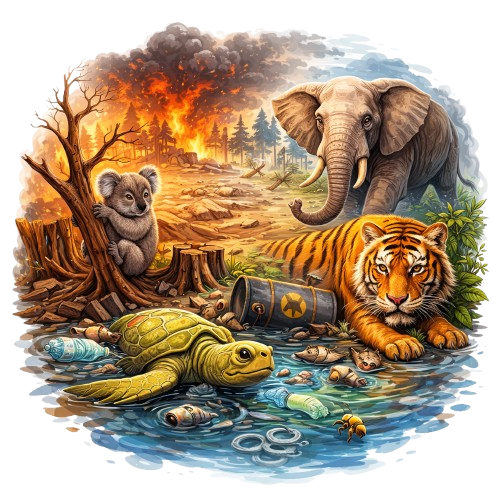
The Earth is currently experiencing an unprecedented loss of biodiversity, with ecosystems around the world facing severe and often irreversible damage. Forests, wetlands, oceans, and wildlife populations are declining at alarming rates, threatening not only the natural world but also the survival and well-being of humanity. Biodiversity—the variety of life on Earth—is essential for maintaining ecological balance, supporting livelihoods, and sustaining the systems that provide food, water, and clean air.
🌐 Understanding Biodiversity
Biodiversity encompasses all living organisms, including plants, animals, microorganisms, and the ecosystems they form. It operates at three levels:
Genetic diversity (variation within species)
Species diversity (variety of species)
Ecosystem diversity (variety of habitats and ecosystems)
Healthy biodiversity ensures resilience, enabling ecosystems to adapt to changes and recover from disturbances. However, human activity is rapidly disrupting this balance.
⚠️ The Scale of the Crisis
Scientists warn that we are entering a sixth mass extinction, with species disappearing at rates far higher than natural levels. Thousands of species are currently endangered, and many more are at risk.
Key indicators of biodiversity loss include:
Rapid deforestation
Declining wildlife populations
Loss of wetlands and marine ecosystems
Soil degradation and desertification
This crisis is not confined to a single region—it is a global phenomenon affecting all ecosystems.
🌳 Deforestation and Habitat Destruction
Forests are among the most biodiverse ecosystems on Earth, yet they are being destroyed at an alarming rate. Deforestation is driven by:
Agricultural expansion
Logging and timber extraction
Urban development
Infrastructure projects
When forests are cleared, countless species lose their habitats, leading to population declines and extinction. Deforestation also contributes to climate change by releasing stored carbon into the atmosphere.
🐾 Threats to Wildlife
Wildlife populations are declining due to a combination of factors, including habitat loss, poaching, pollution, and climate change. Many species are unable to adapt to rapidly changing environments.
Illegal wildlife trade further exacerbates the problem, threatening iconic species such as elephants, rhinos, and tigers. The loss of wildlife not only affects ecosystems but also cultural and economic systems that depend on biodiversity.
🌊 Degradation of Wetlands and Oceans
Wetlands and marine ecosystems are critical for biodiversity and human survival. They provide essential services such as water purification, flood control, and food production.
However, these ecosystems are under threat due to:
Pollution and waste disposal
Overfishing and unsustainable practices
Coastal development
Climate change impacts such as ocean acidification
Coral reefs, often referred to as the “rainforests of the sea,” are particularly vulnerable, with significant portions already lost or degraded.
🌡️ Climate Change and Biodiversity
Climate change is both a driver and a consequence of biodiversity loss. Rising temperatures, changing weather patterns, and extreme events disrupt ecosystems and force species to migrate or adapt.
Many species cannot adapt quickly enough, leading to population declines and extinction. Additionally, the loss of biodiversity reduces ecosystems’ ability to absorb carbon, further accelerating climate change.
🌾 Impact on Food Security and Livelihoods
Biodiversity is essential for agriculture and food production. Pollinators such as bees, butterflies, and birds play a critical role in crop production. The loss of these species threatens global food security.
Communities that depend on natural resources for their livelihoods—such as farmers, fishers, and indigenous populations—are particularly affected. Biodiversity loss reduces access to resources and increases vulnerability to economic and environmental shocks.
🧑🤝🧑 Human Health and Biodiversity
The loss of biodiversity has direct implications for human health. Ecosystems provide medicinal resources, clean air, and water. Disruptions can lead to:
Increased spread of diseases
Reduced availability of natural medicines
Poor air and water quality
Healthy ecosystems act as natural barriers against disease outbreaks, highlighting the importance of biodiversity for global health.
⚖️ Economic Consequences
Biodiversity loss has significant economic impacts. Industries such as agriculture, tourism, and fisheries rely heavily on natural ecosystems. The degradation of these systems leads to:
Loss of income and employment
Increased costs for resource management
Reduced economic resilience
Investing in biodiversity conservation is not only an environmental necessity but also an economic imperative.
🌱 Conservation and Sustainable Solutions
Addressing biodiversity loss requires a combination of conservation efforts and sustainable practices. Key strategies include:
Protecting natural habitats and ecosystems
Promoting sustainable land and resource use
Restoring degraded environments
Supporting community-based conservation initiatives
Technology and innovation also play a role in monitoring ecosystems and developing sustainable solutions.
🤝 Global Responsibility and Cooperation
Biodiversity conservation is a shared global responsibility. International agreements and partnerships are essential for coordinated action. Governments, organizations, and communities must work together to:
Enforce environmental regulations
Promote sustainable development
Raise awareness and education
Local communities, particularly indigenous groups, play a crucial role in conservation, as they often possess deep knowledge of ecosystems.
🌟 GJU’s Perspective
At Global Justice for Unity (GJU), biodiversity loss is not just an environmental issue—it is a matter of justice, sustainability, and human survival. The degradation of nature disproportionately affects vulnerable communities, making it a critical equity issue.
Our approach focuses on:
Promoting sustainable practices
Supporting conservation initiatives
Empowering communities to protect natural resources
Advocating for policies that balance development and environmental protection
We believe that protecting biodiversity is essential for building a sustainable and just future.
🌍 Looking Ahead
The challenge of biodiversity loss is immense, but it is not insurmountable. By taking immediate and collective action, it is possible to reverse current trends and restore ecosystems.
A future with healthy biodiversity means:
Stable ecosystems
Secure food systems
Resilient communities
A balanced planet
At GJU, we are committed to contributing to this vision—where nature and humanity coexist in harmony.