

🌪️ Increasing Climate-Driven Disasters
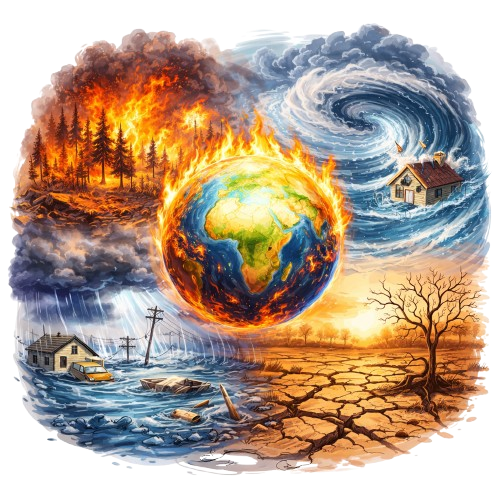
Climate change is no longer a distant or theoretical concern—it is a present and escalating global crisis. One of its most visible and devastating consequences is the rapid increase in climate-driven disasters, including floods, droughts, wildfires, hurricanes, and extreme heatwaves. These events are becoming more frequent, more intense, and more unpredictable, affecting millions of people and disrupting ecosystems, economies, and societies worldwide.
🌐 Understanding Climate-Driven Disasters
Climate-driven disasters are natural hazards whose frequency or severity is amplified by climate change. While natural disasters have always existed, human-induced environmental changes—such as rising greenhouse gas emissions—are intensifying their impact.
Key types of climate-driven disasters include:
Floods caused by heavy rainfall and rising sea levels
Droughts resulting from prolonged periods of low rainfall
Wildfires fueled by heatwaves and dry conditions
Storms and hurricanes intensified by warmer ocean temperatures
Heatwaves leading to extreme temperatures and health risks
These disasters are interconnected and often occur in cycles, compounding their effects.
🌡️ The Role of Climate Change
Climate change alters the Earth’s natural systems in ways that increase the likelihood of extreme events. Rising global temperatures affect atmospheric patterns, ocean currents, and precipitation cycles.
For example:
Warmer air holds more moisture, leading to heavier rainfall and flooding
Higher temperatures dry out soil and vegetation, increasing wildfire risks
Melting glaciers and polar ice contribute to sea-level rise
These changes disrupt the balance of ecosystems and increase vulnerability to disasters.
🌊 Flooding and Rising Sea Levels
Floods are among the most common and destructive climate-related disasters. Coastal flooding is particularly concerning due to rising sea levels caused by melting ice caps and thermal expansion of oceans.
Flooding leads to:
Loss of life and property
Contamination of water sources
Displacement of communities
Damage to infrastructure
Urban areas are especially vulnerable due to poor drainage systems and high population density.
🌵 Droughts and Water Scarcity
Droughts are becoming more severe and prolonged in many parts of the world. Reduced rainfall and higher temperatures lead to water shortages, affecting agriculture, drinking water supplies, and energy production.
Consequences of drought include:
Crop failure and food insecurity
Economic losses for farmers
Increased competition for water resources
Migration and displacement
Water scarcity is expected to become one of the most critical global challenges in the coming decades.
🔥 Wildfires and Environmental Destruction
Wildfires have increased significantly in both frequency and intensity. Hotter and drier conditions create ideal environments for fires to spread rapidly.
Wildfires result in:
Destruction of forests and biodiversity
Air pollution and health hazards
Loss of homes and livelihoods
Long-term environmental damage
The smoke from wildfires can travel across regions, affecting air quality far beyond the immediate area.
🌪️ Storms and Extreme Weather Events
Climate change is intensifying storms and hurricanes, making them more powerful and destructive. Warmer ocean temperatures provide more energy for storms, increasing wind speeds and rainfall.
These events cause:
Massive infrastructure damage
Flooding and landslides
Economic disruption
Loss of life
Recovery from such disasters often takes years, particularly in developing regions.
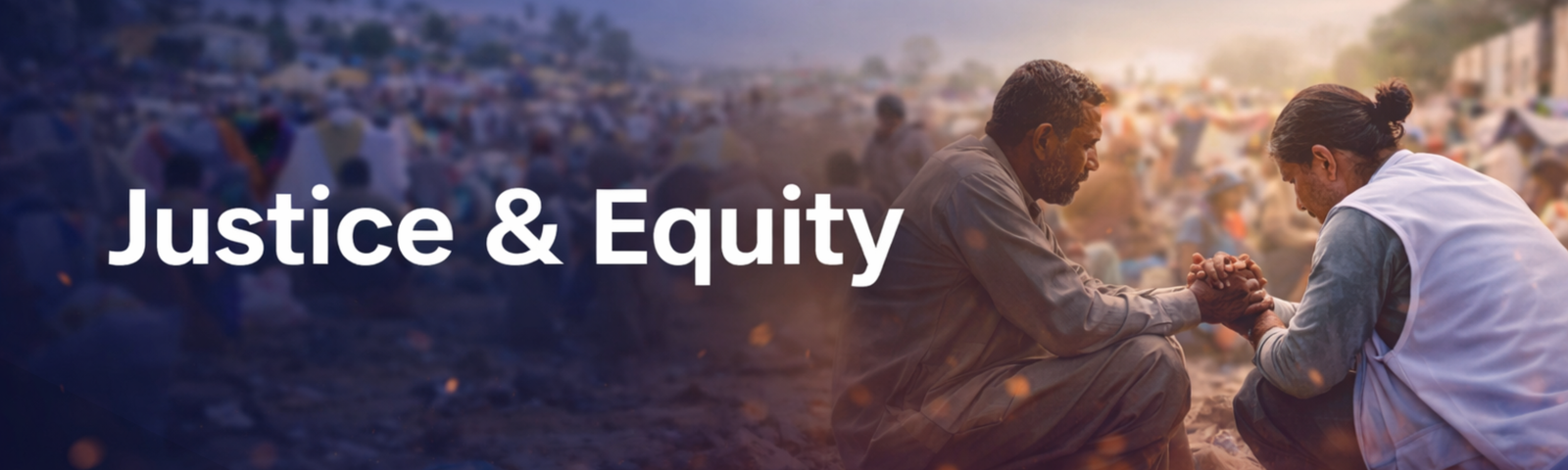
🧑🤝🧑 Impact on Vulnerable Communities
Climate-driven disasters disproportionately affect vulnerable populations, including:
Low-income communities
Coastal and island populations
Rural and agricultural communities
Developing countries
These groups often lack the resources and infrastructure needed to prepare for and recover from disasters. As a result, they face greater risks and longer recovery times.
🏚️ Displacement and Migration
Climate disasters are a major driver of displacement. Millions of people are forced to leave their homes each year due to flooding, drought, and other climate-related events.
This creates:
Climate refugees and migrants
Pressure on urban areas and host communities
Social and economic challenges
Climate-induced migration is expected to increase significantly in the future.
📉 Economic Consequences
The economic impact of climate disasters is immense. Governments and communities face:
High costs of disaster response and recovery
Loss of infrastructure and productivity
Disruption of industries such as agriculture and tourism
Developing countries are particularly affected, as they often lack the financial resources to rebuild.
🌍 Environmental Impact
Climate disasters not only affect humans but also ecosystems. They lead to:
Loss of biodiversity
Soil degradation
Water contamination
Destruction of natural habitats
These environmental impacts further exacerbate climate change, creating a cycle of damage.
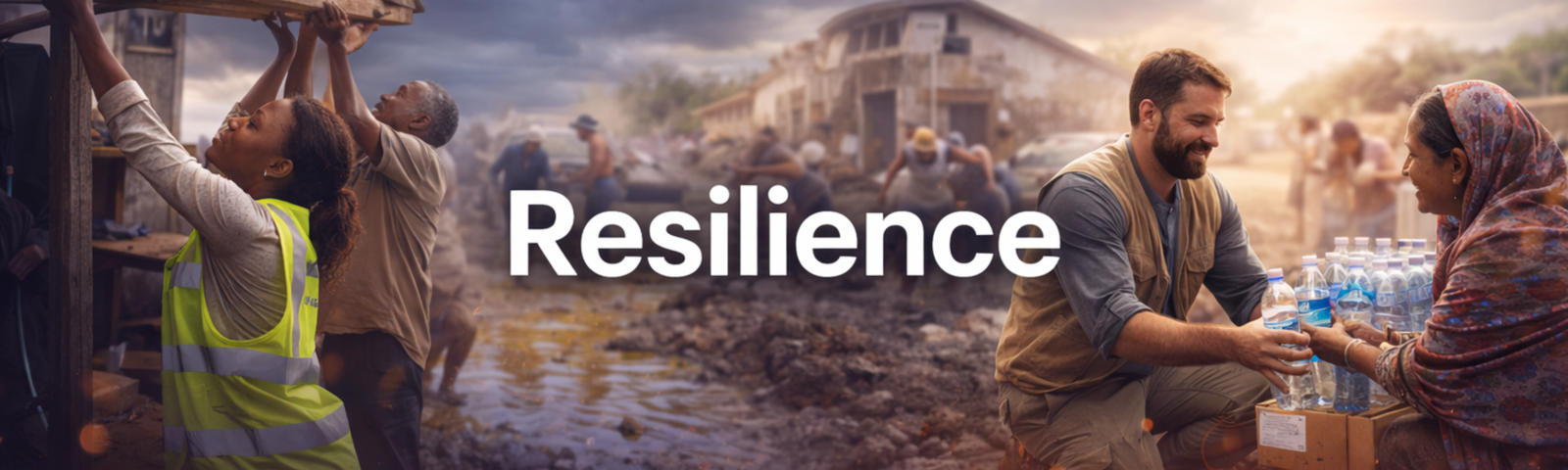
🌱 Building Climate Resilience
Addressing climate-driven disasters requires a focus on resilience. This includes:
Strengthening infrastructure
Developing early warning systems
Promoting sustainable land use
Investing in climate adaptation strategies
Resilience enables communities to better withstand and recover from disasters.
🤝 Global Cooperation and Responsibility
Climate change is a global issue that requires collective action. Governments, organizations, and individuals must work together to:
Reduce greenhouse gas emissions
Invest in renewable energy
Support vulnerable communities
Strengthen international agreements
Collaboration is essential to mitigate the impacts of climate change.
🌟 GJU’s Perspective
At Global Justice for Unity (GJU), climate-driven disasters represent a critical intersection of environmental, social, and economic challenges. We believe that addressing these disasters requires a holistic approach that combines immediate response with long-term sustainability.
Our focus includes:
Supporting disaster-affected communities
Promoting climate resilience initiatives
Advocating for sustainable policies
Strengthening community preparedness
We emphasize the importance of justice, ensuring that those most affected by climate change receive the support and protection they need.
🌍 Looking Forward
The increasing frequency of climate disasters is a warning signal for urgent action. While the challenges are significant, solutions exist.
A sustainable future requires:
Strong climate policies
Investment in innovation
Community engagement
Global unity
At GJU, we are committed to contributing to this effort—working toward a world where communities are resilient, environments are protected, and disasters no longer dictate the future of humanity.